
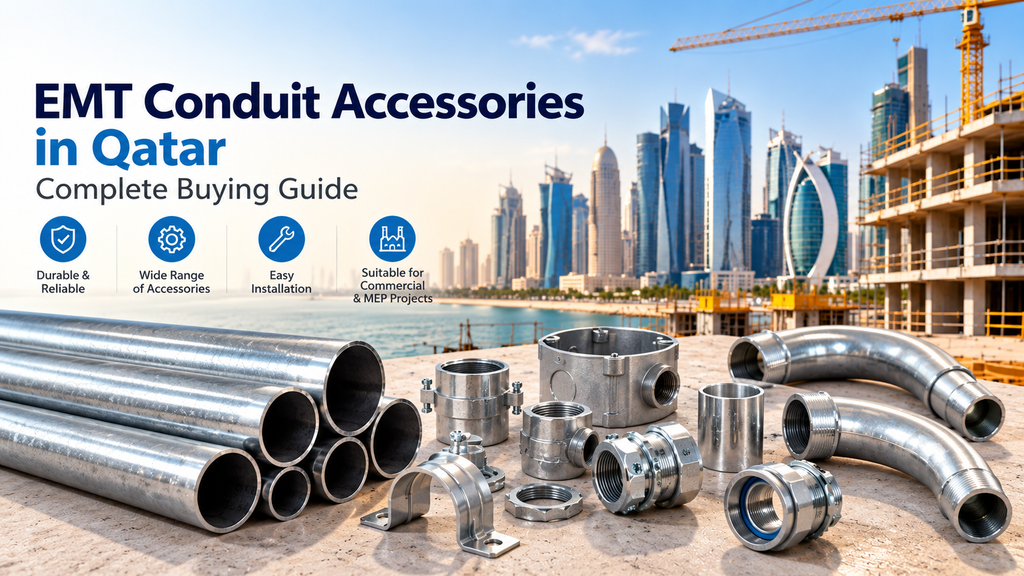
Electrical conduit systems help route and protect electrical wiring in buildings and other installations. However, conduit pipes alone do not create a complete system.
Connectors, couplers, saddles, bends, and other fittings also play an important role.
For contractors, electricians, and MEP professionals looking for EMT conduit accessories in Qatar, choosing compatible fittings can make installation easier and help create a secure conduit system.
This guide covers common EMT conduit accessories, their uses, and key factors to consider before purchasing them.
What Is an EMT Conduit System?
EMT stands for Electrical Metallic Tubing.
Electricians use EMT as a metallic raceway for routing and protecting electrical conductors. It is commonly found in commercial, residential, and other building installations.
However, an EMT installation requires more than tubing.
Different accessories help join conduit sections, connect them to electrical boxes, change direction, and secure the conduit along its route.
Therefore, choosing the correct accessories is an important part of planning an EMT installation.
What Are EMT Conduit Accessories?
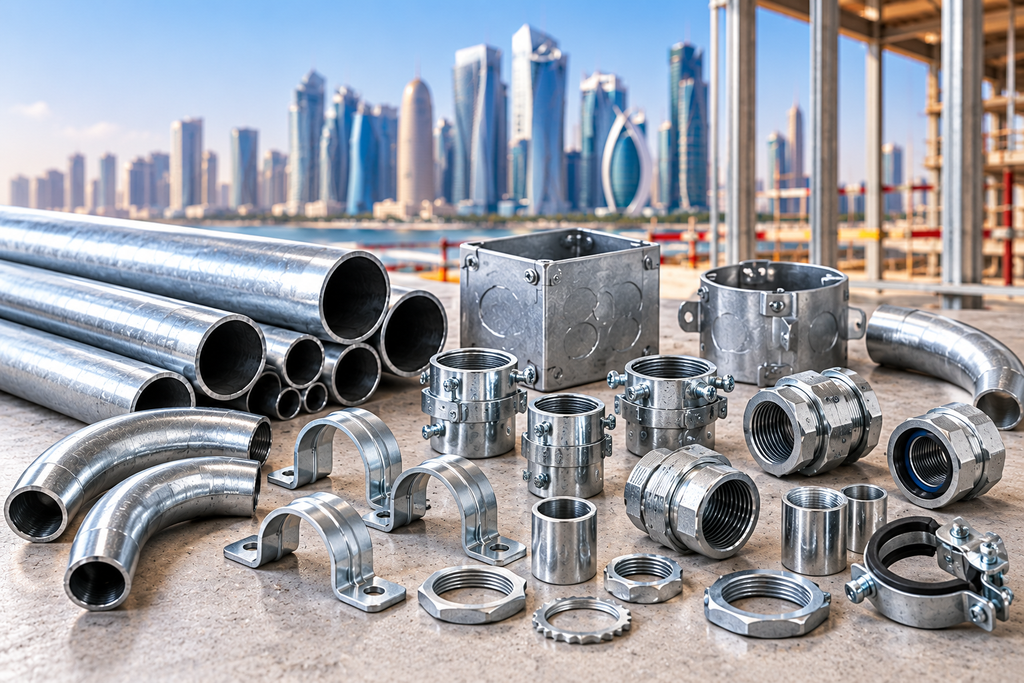
EMT conduit accessories are fittings and supporting components used with EMT tubing.
Depending on the installation, these may include:
- Connectors
- Couplers
- Saddles
- Bends
- Elbows
- Bushings
- Locknuts
- Adaptors
- Junction and termination fittings
Each component performs a different function.
For example, a coupler joins two conduit sections. Meanwhile, a connector can help terminate a conduit at an electrical box or enclosure.
Common EMT Conduit Accessories
EMT Connectors
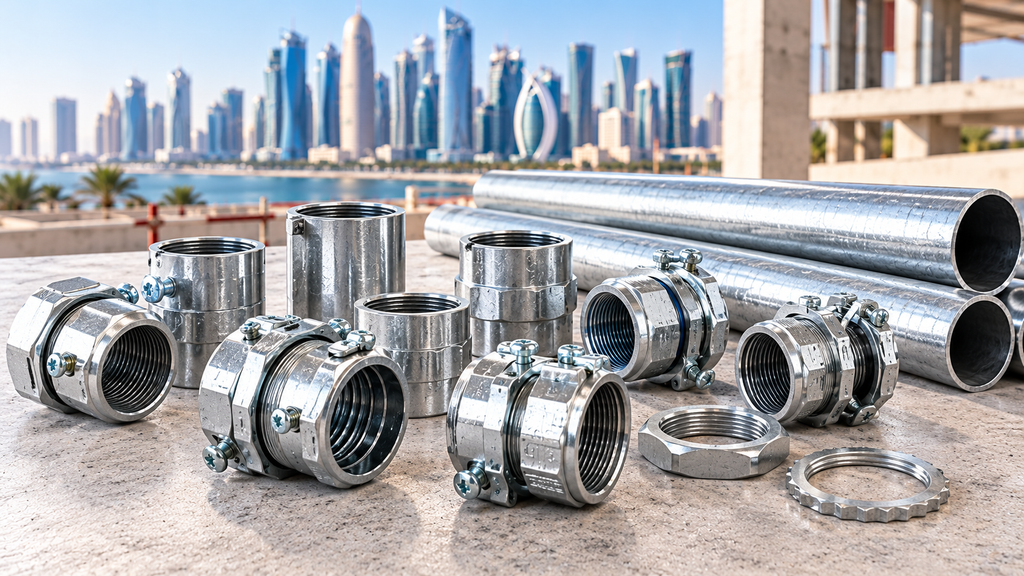
Connectors help connect EMT conduit to electrical boxes, enclosures, or other compatible equipment.
The correct connector depends on the conduit size, fitting design, and installation requirements.
Therefore, check compatibility before purchasing connectors for your project.
Compression Connectors
Compression connectors use a compression mechanism to create a secure connection.
Installers should select the correct size for the conduit being used.
Set-Screw Connectors
Set-screw connectors secure the conduit using screws.
Again, the connector must match the conduit size and installation requirements.
EMT Couplers
Couplers join two sections of EMT conduit together.
They become useful when the conduit route extends beyond a single tube length.
Common types can include compression and set-screw designs.
Before ordering, check:
- Conduit diameter
- Coupler type
- Installation environment
- Project specifications
Correctly matched couplers can make installation more efficient.
Conduit Saddles and Supports
Saddles and other supports help secure conduit along walls, ceilings, and other suitable surfaces.
Proper support keeps the conduit aligned along the planned route.
Different sizes are available for different conduit diameters. Therefore, choose a saddle that matches the conduit size.
The required spacing and installation method should follow the applicable project specifications and electrical requirements.
EMT Bends and Elbows
Electrical conduit routes do not always run in a straight line.
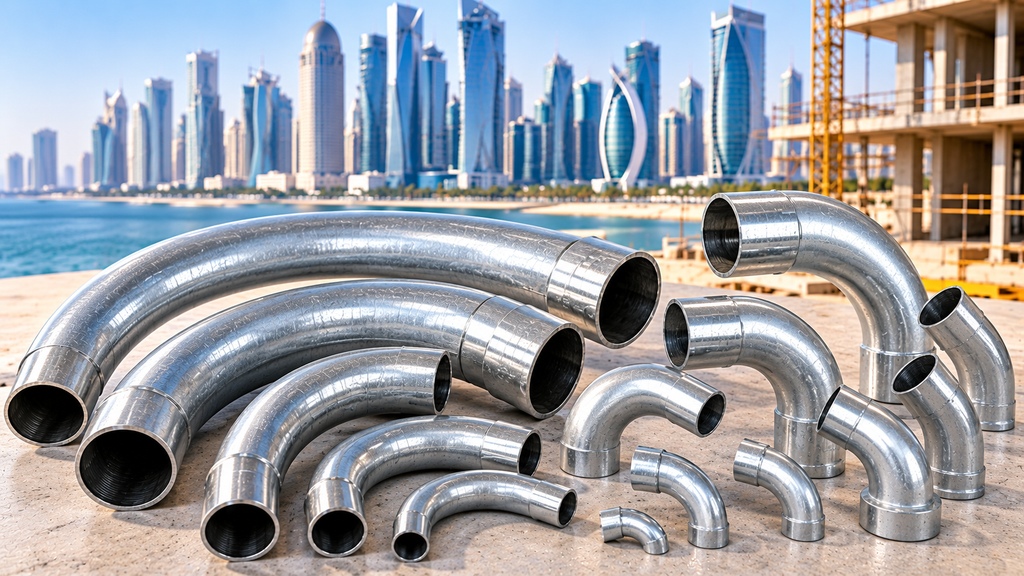
Bends and elbows help change the direction of the conduit system.
For example, a conduit route may need to turn around a corner or connect to equipment from another direction.
Using appropriate bends can help create a cleaner installation while maintaining a suitable cable route.
However, installers should follow applicable requirements for conduit bending and cable pulling.
EMT vs GI Conduit Accessories
Both EMT and GI conduit systems require suitable fittings.
However, you should not assume that every accessory will work with every conduit type.
The conduit size, fitting design, installation environment, and project specifications all matter.
For this reason, always confirm compatibility before ordering EMT, GI conduits & accessories in Qatar.
How to Choose EMT Conduit Accessories
Choosing accessories becomes easier when you follow a few basic steps.
1. Check the Conduit Size
Start with the conduit size.
The connector, coupler, saddle, and other fittings should match the required conduit.
Using an incorrectly sized accessory can cause installation problems.
2. Check the Fitting Type
Next, determine which fitting the installation requires.
For example, joining two conduit sections requires a different component from terminating conduit at an electrical box.
Therefore, identify the purpose of each fitting before ordering.
3. Consider the Installation Environment
The installation environment also matters.
An indoor commercial installation may have different requirements from an exposed or demanding installation.
Always choose products according to the project conditions.
4. Check Project Specifications
Electrical drawings and project specifications may identify required conduit types, sizes, and fittings.
Therefore, review these documents before purchasing materials.
5. Plan the Complete System
Don’t order only the conduit.
Calculate the required connectors, couplers, saddles, bends, and other accessories at the same time.
This can reduce delays caused by missing components during installation.
Why Compatible Conduit Fittings Matter
Using compatible accessories helps create an organized conduit system.
Suitable fittings can provide:
- Secure conduit connections
- Proper conduit support
- Cleaner installations
- Easier conduit routing
- Better installation efficiency
- Easier maintenance
In addition, planning all required accessories before installation can reduce unnecessary interruptions on site.
EMT Conduit Accessories for Commercial Projects
Commercial buildings can contain extensive electrical networks.
Offices, retail stores, hotels, warehouses, and other facilities may require conduit systems to route electrical wiring throughout the building.
As a result, contractors may need different conduit sizes and large quantities of fittings.
Planning these materials early can make procurement and installation easier.
EMT Conduit Accessories for MEP Projects
MEP contractors often work with complex electrical installations.
These projects may require conduit routes across different areas of a building.
Therefore, contractors should review electrical drawings carefully and calculate the required conduit and fittings before ordering.
A clear material list can include the required:
- EMT conduit
- GI conduit
- Connectors
- Couplers
- Saddles
- Bends
- Other compatible accessories
This approach helps create a more organized procurement process.
Electrical Conduit Standards and Project Requirements
Electrical conduit installation should follow applicable project specifications, local requirements, and relevant electrical standards.
For technical information about electrical products and standards, you can refer to the National Electrical Manufacturers Association (NEMA).
Where to Buy EMT Conduit Accessories in Qatar
LED ON Trading supplies electrical products and conduit accessories for projects in Qatar.
Customers can explore EMT, GI conduits & accessories in Qatar, including fittings for different electrical installation requirements.
Before ordering, check the conduit size, accessory type, quantity, and project specifications.
Explore the LED ON conduit accessories range to find suitable products for your project.
Frequently Asked Questions
What accessories are used with EMT conduit?
Common EMT accessories include connectors, couplers, saddles, bends, elbows, bushings, and other compatible fittings. The exact accessories depend on the installation.
What is an EMT connector used for?
An EMT connector helps connect conduit to a compatible electrical box, enclosure, or other termination point.
What is an EMT coupler used for?
An EMT coupler joins two sections of conduit together. The coupler size should match the conduit.
Are EMT and GI conduit accessories the same?
Not always. Compatibility depends on the conduit and fitting specifications. Check the product specifications before using a fitting with a particular conduit system.
How do I choose the correct conduit fitting size?
Check the conduit size and select a compatible fitting. Also review the electrical drawings and project specifications before ordering.
Where can I buy EMT conduit accessories in Qatar?
LED ON Trading supplies conduit products and accessories in Qatar. You can explore available connectors, couplers, saddles, bends, and related conduit products according to your project requirements.