
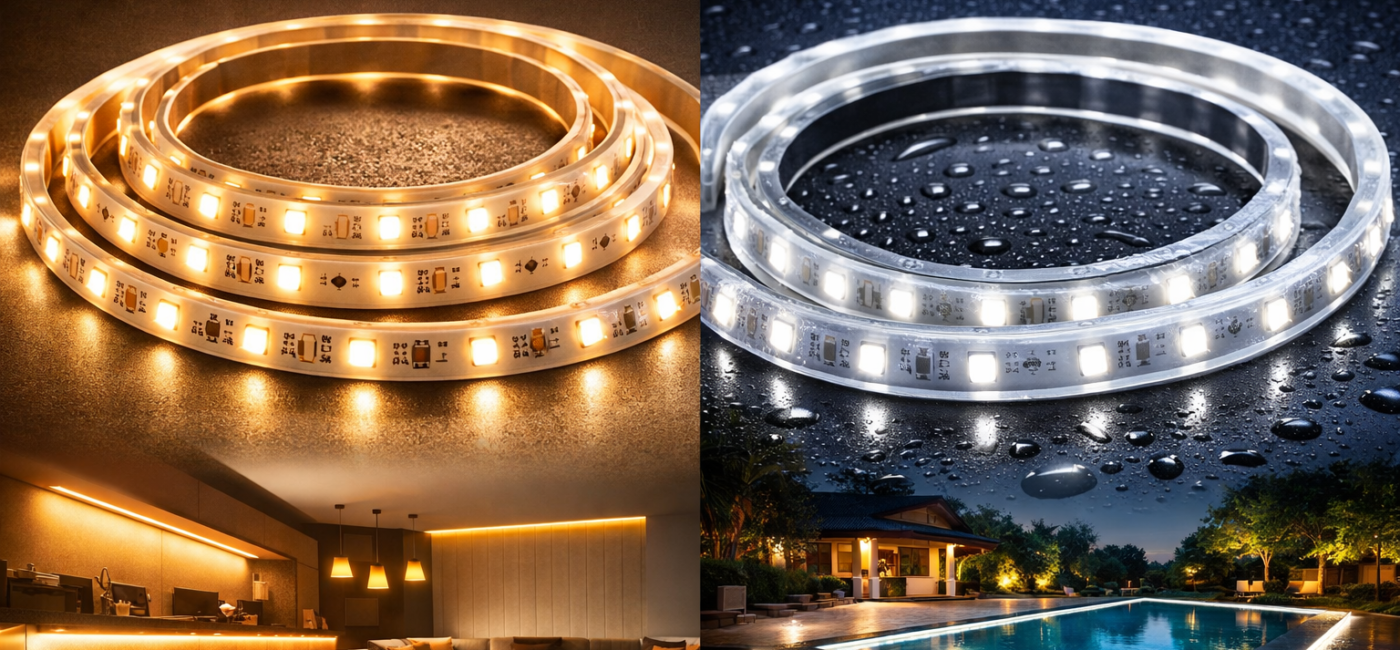
Discover the perfect blend of style and durability with IP20 and IP67 LED strip lights. Elevate your space effortlessly with cost-effective, stunning lighting solutions.
Understanding IP Ratings: What Do IP20 and IP67 Mean?
When it comes to selecting LED strip lights, understanding the IP ratings is crucial. IP stands for Ingress Protection, which signifies the level of protection an electrical device offers against solids and liquids. These ratings are defined by the International Electrotechnical Commission (IEC) and are typically represented by the letters ‘IP’ followed by two digits. The first digit represents the level of protection against solid objects like dust, while the second digit indicates the protection level against liquids such as water.
IP20 and IP67 are two common ratings you will encounter when shopping for LED strip lights. IP20 offers basic protection against solid objects greater than
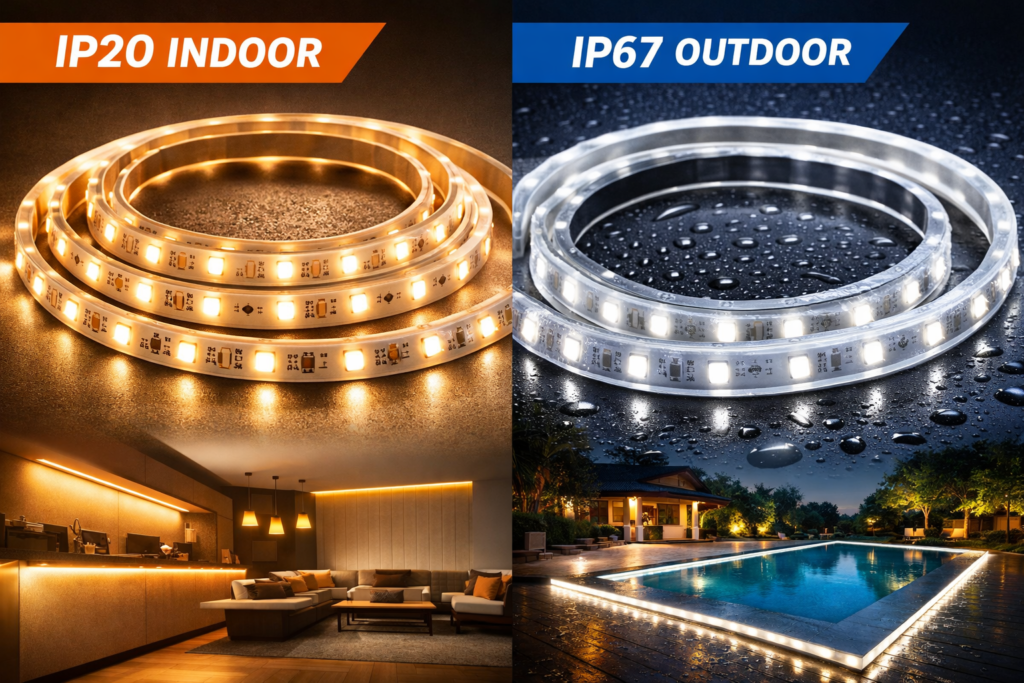
12.5 mm but does not provide any protection against water. This makes IP20 LED strip lights suitable for indoor use where exposure to moisture is minimal. They are perfect for areas like living rooms, bedrooms, and kitchens where aesthetics and lighting quality are the primary concerns.
On the other hand, IP67 LED strip lights are highly versatile and robust. The first digit ‘6’ indicates complete protection against dust and solid particles, while the second digit ‘7’ indicates that the light can be submerged in water up to 1 meter for 30 minutes and still function properly. This makes IP67 LED strip lights ideal for outdoor use, including gardens, patios, and poolsides. They can withstand harsh weather conditions and are perfect for creating stunning outdoor lighting effects.
Understanding these ratings helps you make an informed decision about which LED strip lights are best suited for your specific needs. Whether you are looking to enhance indoor aesthetics or add a touch of elegance to your outdoor spaces, knowing the IP ratings ensures you choose a product that meets your requirements.
Key Differences Between IP20 and IP67 LED Strip Lights
The primary difference between IP20 and IP67 LED strip lights lies in their level of protection against environmental elements. IP20 LED strip lights offer limited protection, making them suitable for indoor applications where there is minimal risk of water exposure. They are not designed to withstand dust or moisture, which means they should not be used in areas where they might come into contact with these elements.
In contrast, IP67 LED strip lights are built to endure more challenging conditions. They are completely dust-tight and can be submerged in water, making them ideal for both indoor and outdoor use. Understanding IP Ratings: What Do IP20 and IP67 Mean?
When it comes to LED strip lights, understanding IP ratings is crucial for making an informed choice. The IP rating, or Ingress Protection rating, is an international standard that describes the level of protection an electrical enclosure offers against solids and liquids. Essentially, it’s a measure of how well-protected the LED strip lights are from dust and water. The IP rating consists of two digits: the first digit indicates the level of protection against solid objects, and the second digit shows the level of protection against liquids.
IP20 LED strip lights have a rating of 2 for solid object protection and 0 for liquid protection. This means they are protected against objects larger than 12.5 millimeters, such as fingers, but offer no protection against water. These lights are typically used indoors where the risk of exposure to water is minimal. They are perfect for adding ambient lighting to living rooms, bedrooms, and other dry areas.
On the other hand, IP67 LED strip lights are much more robust. The ‘6’ indicates total protection against dust, making them ideal for environments that may be dusty or dirty. The ‘7’ shows that these lights can be submerged in water up to 1 meter deep for up to 30 minutes. This makes IP67 LED strip lights suitable for outdoor use, or areas where they may come into contact with water, such as bathrooms, kitchens, and gardens. Understanding these ratings will help you choose the right LED strip light for your specific needs.
Key Differences Between IP20 and IP67 LED Strip Lights
The key differences between IP20 and IP67 LED strip lights go beyond their levels of protection. These differences impact how and where they can be used effectively. One of the primary distinctions is their construction. IP20 LED strip lights are generally more lightweight and flexible. They are designed for indoor use where they are less likely to encounter dust and water. This makes them easier to install in tight spaces and ideal for applications where the aesthetics of the lighting are more important than durability.
In contrast, IP67 LED strip lights are built to withstand harsher environments. They are encased in a thick silicone or epoxy resin that provides a waterproof seal. This additional layer of protection makes them more rigid and slightly bulkier compared to IP20 lights. However, this rugged construction ensures that they can handle outdoor conditions, making them perfect for illuminating gardens, pathways, and other outdoor spaces where they might be exposed to rain or snow.
Another significant difference is the cost. Due to their enhanced durability and waterproofing, IP67 LED strip lights tend to be more expensive than their IP20 counterparts. This higher cost reflects the additional materials and manufacturing processes required to achieve the higher IP rating. However, the investment can be worthwhile if you need reliable lighting in environments where exposure to water and dust is a concern. Understanding these differences will help you decide which type of LED strip light is best suited for your specific application.
Benefits of Using IP20 LED Strip Lights
IP20 LED strip lights offer a range of benefits that make them an excellent choice for indoor lighting. One of the most significant advantages is their flexibility. These lights can be easily bent and shaped to fit any space, making them ideal for creative lighting designs. Whether you’re looking to add a subtle glow to a bookshelf, highlight architectural features, or create a dynamic lighting display, IP20 LED strip lights provide the versatility you need to bring your vision to life.
Another benefit of IP20 LED strip lights is their ease of installation. These lights typically come with an adhesive backing, allowing you to quickly and easily attach them to any clean, dry surface. This makes them perfect for DIY projects, as you don’t need any special tools or expertise to install them. Additionally, IP20 LED strip lights are often available in plug-and-play kits, which include everything you need to get started, including power adapters, connectors, and remote controls.
Energy efficiency is another significant advantage of IP20 LED strip lights. LEDs consume much less power than traditional incandescent or halogen bulbs, making them a cost-effective and environmentally friendly lighting solution. They also have a longer lifespan, reducing the need for frequent replacements and further lowering maintenance costs. By choosing IP20 LED strip lights, you can enjoy beautiful, energy-efficient lighting that enhances your space while keeping your energy bills in check.
Advantages of IP67 LED Strip Lights for Outdoor Use
IP67 LED strip lights offer several advantages that make them the ideal choice for outdoor applications. One of the primary benefits is their durability. The robust construction of these lights ensures that they can withstand harsh environmental conditions, including exposure to dust, dirt, and water. This makes them perfect for illuminating gardens, patios, pathways, and other outdoor areas where they may come into contact with the elements. With IP67 LED strip lights, you can enjoy reliable, long-lasting lighting that enhances the beauty and functionality of your outdoor spaces.
Another advantage of IP67 LED strip lights is their versatility. These lights can be used in a wide range of outdoor applications, from accent lighting for landscaping features to practical lighting for walkways and driveways. Their waterproof design also makes them suitable for use in areas where they may be submerged in water, such as fountains, ponds, and swimming pools. This versatility allows you to create stunning outdoor lighting designs that enhance the ambiance and safety of your outdoor spaces.
Energy efficiency is also a key benefit of IP67 LED strip lights. Like their IP20 counterparts, these lights consume significantly less power than traditional lighting options, making them a cost-effective and environmentally friendly choice. Additionally, the long lifespan of LEDs means that you won’t have to worry about frequent replacements, reducing maintenance costs and ensuring that your outdoor lighting remains reliable and efficient for years to come. By choosing IP67 LED strip lights for your outdoor lighting needs, you can enjoy beautiful, energy-efficient illumination that stands up to the rigors of outdoor use.
Popular Applications for IP20 LED Strip Lights
IP20 LED strip lights are incredibly versatile and can be used in a wide range of indoor applications. One popular use is for accent lighting. These lights can be installed under cabinets, along baseboards, or around architectural features to create a subtle, ambient glow that enhances the overall atmosphere of a room. This type of lighting is perfect for living rooms, bedrooms, and dining areas, where it can add a touch of elegance and sophistication to your space.
Another popular application for IP20 LED strip lights is task lighting. These lights can be installed in workspaces, such as home offices, kitchens, and workshops, to provide bright, focused illumination that makes it easier to see and complete tasks. For example, installing LED strip lights under kitchen cabinets can provide the perfect amount of light for food preparation, while adding them to a home office desk can create a well-lit workspace that reduces eye strain and improves productivity.
IP20 LED strip lights are also great for decorative purposes. They can be used to create dynamic lighting displays for special occasions, such as parties, holidays, and events. For example, you can install these lights around the perimeter of a room, behind furniture, or along staircases to create a festive atmosphere that enhances the overall experience for your guests. With their flexibility and ease of installation, IP20 LED strip lights offer endless possibilities for creative lighting designs that transform your indoor spaces.
Ideal Uses for IP67 LED Strip Lights
IP67 LED strip lights are designed to withstand harsh environmental conditions, making them ideal for a variety of outdoor applications. One common use is for landscape lighting. These lights can be installed along pathways, around garden beds, and near water features to create a stunning nighttime display that highlights the beauty of your outdoor spaces. The waterproof design of IP67 LED strip lights ensures that they can handle exposure to rain, snow, and other elements, providing reliable illumination that enhances the safety and aesthetics of your garden.
Another ideal use for IP67 LED strip lights is for pool and spa lighting. These lights can be installed around the perimeter of a pool, along the edges of a spa, or even submerged in water to create a vibrant, colorful display that enhances the overall ambiance of your outdoor oasis. The waterproof construction of IP67 LED strip lights ensures that they can handle immersion in water, making them perfect for creating a captivating, resort-like atmosphere in your own backyard.
IP67 LED strip lights are also great for outdoor entertainment areas. Whether you have a patio, deck, or outdoor kitchen, these lights can be used to create a welcoming, well-lit space that is perfect for hosting gatherings and enjoying time with family and friends. By installing IP67 LED strip lights around the perimeter of your outdoor space, along railings, or under seating areas, you can create a warm, inviting atmosphere that enhances the overall experience for your guests. With their durability and versatility, IP67 LED strip lights offer endless possibilities for creating beautiful, functional outdoor lighting designs.
Installation Tips for LED Strip Lights
Installing LED strip lights can be a straightforward process if you follow a few key tips. First, it’s essential to plan your installation carefully. Measure the area where you intend to install the lights to ensure that you purchase the correct length of LED strip. Consider the power source location and how you will route the wires to ensure a clean and professional-looking installation. If your installation requires cutting the LED strip, make sure to cut along the designated cutting lines to avoid damaging the lights.
Next, prepare the surface where you will install the LED strip lights. Ensure that the surface is clean, dry, and free of dust and debris. This will help the adhesive backing on the LED strip to stick properly. If the surface is rough or uneven, you may need to use additional adhesive or mounting clips to secure the lights in place. For outdoor installations, consider using waterproof connectors and sealants to protect the connections from moisture.
When it comes to connecting the LED strip lights to the power source, follow the manufacturer’s instructions carefully. Ensure that the power supply is compatible with the LED strip and provides the correct voltage and current. If you are using a dimmer or controller, make sure it is rated for use with LED lights. It’s also a good idea to test the LED strip lights before completing the installation to ensure that they are working correctly. By following these tips, you can achieve a professional-looking installation that provides beautiful, reliable illumination for your space.
Cost-Effectiveness of LED Strip Lighting Solutions
LED strip lights offer a cost-effective lighting solution that provides significant savings over traditional lighting options. One of the primary reasons for this cost-effectiveness is the energy efficiency of LEDs. LED strip lights consume significantly less power than incandescent or halogen bulbs, reducing your energy bills and lowering your overall operating costs. This energy efficiency is particularly beneficial for applications where the lights are on for extended periods, such as under-cabinet lighting in kitchens or accent lighting in living rooms.
Another factor that contributes to the cost-effectiveness of LED strip lights is their long lifespan. LEDs have a much longer lifespan than traditional bulbs, often lasting 25,000 to 50,000 hours or more. This means that you won’t have to replace the lights as frequently, reducing maintenance costs and ensuring that your lighting remains consistent and reliable over time. The long lifespan of LED strip lights also makes them an environmentally friendly choice, as it reduces the amount of waste generated from discarded bulbs.
The initial cost of LED strip lights may be higher than traditional lighting options, but the long-term savings make them a wise investment. In addition to lower energy bills and reduced maintenance costs, LED strip lights also offer the benefit of versatility. They can be used in a wide range of applications, from accent lighting to task lighting to outdoor illumination, providing a flexible and cost-effective solution for all your lighting needs. By choosing LED strip lights, you can enjoy beautiful, energy-efficient lighting that enhances your space while saving you money in the long run.
Conclusion: Choosing the Right LED Strip Lights for Your Needs
Choosing the right LED strip lights for your needs involves considering several factors, including the environment in which they will be used, the level of protection required, and your specific lighting goals. IP20 LED strip lights are an excellent choice for indoor applications where dust and water exposure are minimal. They offer flexibility, ease of installation, and energy efficiency, making them ideal for accent lighting, task lighting, and decorative purposes in living rooms, bedrooms, kitchens, and other dry areas.
On the other hand, IP67 LED strip lights are designed to withstand harsher environments and are perfect for outdoor use. Their robust construction and waterproof design make them suitable for illuminating gardens, pathways, pools, and other outdoor spaces where they may come into contact with water and dust. These lights provide reliable, long-lasting illumination that enhances the safety and aesthetics of your outdoor areas.
By understanding the differences between IP20 and IP67 LED strip lights and considering your specific needs, you can make an informed choice that ensures you get the best lighting solution for your space. Whether you’re looking to create a stunning indoor lighting display or enhance the beauty of your outdoor areas, LED strip lights offer a versatile, cost-effective solution that combines style and durability. With the right LED strip lights, you can elevate your space and enjoy beautiful, energy-efficient lighting that meets your needs and exceeds your expectations.