
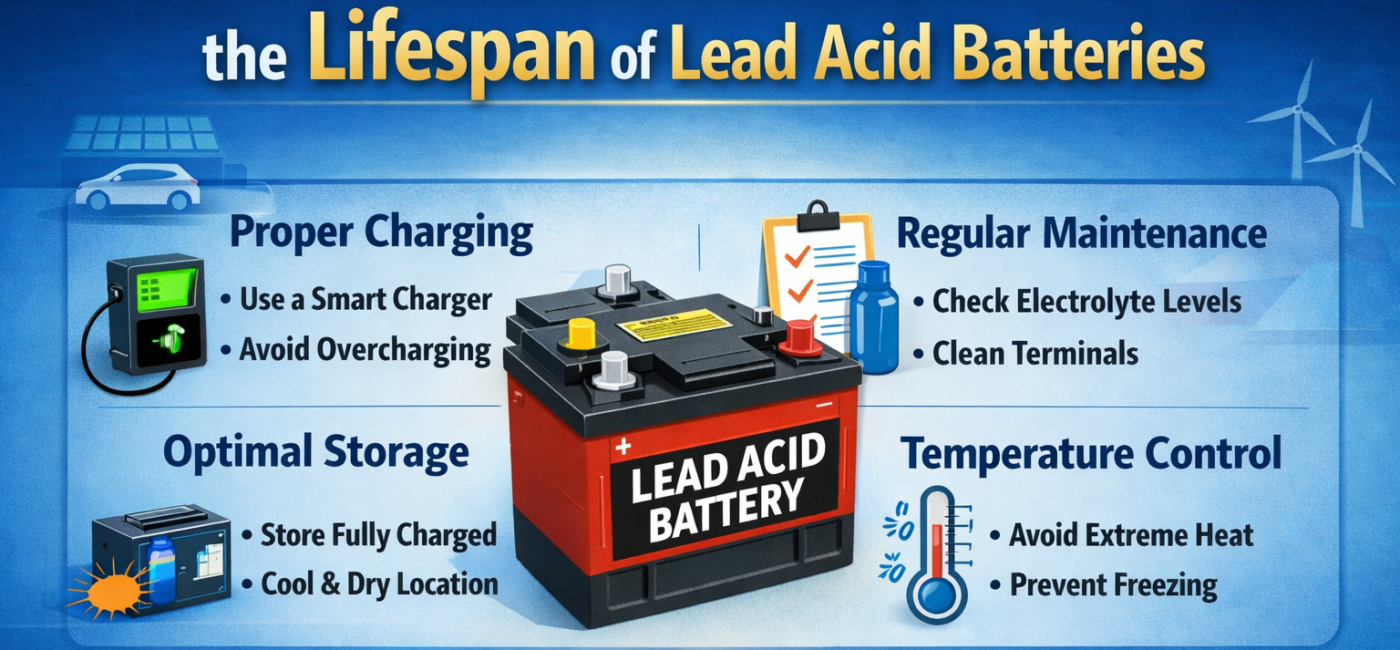
Extend the life of your lead acid batteries with simple tips and best practices. Discover how to maximize their performance and durability today!
Understanding Lead Acid Batteries
Lead acid batteries have been around for over a century and remain a popular choice for various applications due to their reliability and cost-effectiveness. These batteries consist of lead dioxide and sponge lead electrodes submerged in a sulfuric acid electrolyte. When the battery discharges, the lead dioxide and sponge lead react with the sulfuric acid to produce lead sulfate, water, and energy. This stored energy can then be used to power a wide range of devices, from automotive starters to renewable energy storage systems.
The basic construction of lead acid batteries includes a series of cells connected in series to achieve the desired voltage. Each cell typically provides around 2 volts, so a 12-volt lead acid battery contains six cells. The chemical reaction within each cell is reversible, allowing the battery to be recharged multiple times. This rechargeable capability makes lead acid batteries a sustainable option for long-term energy storage.
There are several types of lead acid batteries, including flooded, AGM (Absorbent Glass Mat), and gel. Flooded batteries are the most common and require periodic maintenance, such as topping off the electrolyte levels. AGM and gel batteries are sealed and maintenance-free, making them more convenient for users who prefer low-maintenance options. Understanding the differences between these types can help you choose the right battery for your specific needs and ensure its longevity.
Common Causes of Lead Acid Battery Failure
Despite their durability, lead acid batteries can fail prematurely due to several factors. One of the most common causes of failure is sulfation, which occurs when lead sulfate crystals form on the battery plates and become too large to dissolve during the charging process. Sulfation reduces the battery’s capacity and overall efficiency, often leading to premature failure if not addressed promptly.
Another major cause of battery failure is overcharging or undercharging. Overcharging can lead to excessive heat and the evaporation of the electrolyte, which can damage the battery’s internal components. On the other hand, undercharging can result in the gradual buildup of lead sulfate on the plates, similar to sulfation, decreasing the battery’s capacity over time. Both scenarios can significantly shorten the lifespan of a lead acid battery if proper charging techniques are not followed.
Physical damage and poor maintenance practices can also contribute to battery failure. Cracked or damaged casings, loose connections, and corrosion can all lead to reduced performance and eventual failure. Regular inspection and maintenance are crucial to identify and address these issues before they escalate. By understanding the common causes of lead acid battery failure, you can take proactive steps to prevent them and extend the life of your batteries.
Importance of Proper Charging Techniques
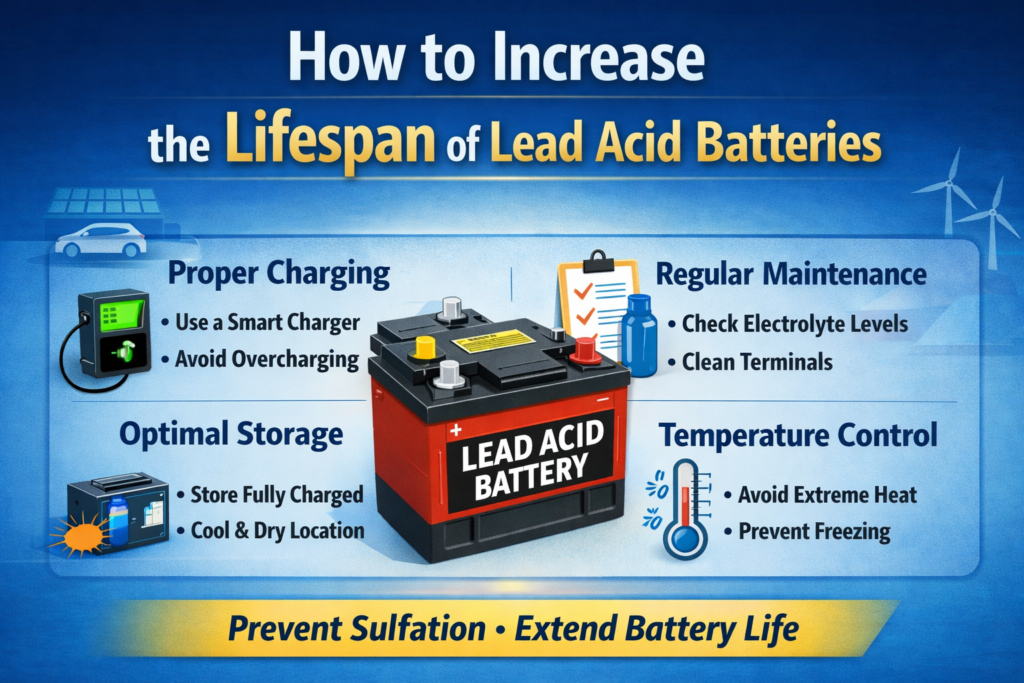
Proper charging techniques are essential for maximizing the lifespan of lead acid batteries. Using the correct charger and charging method can prevent issues such as sulfation, overcharging, and undercharging. It’s important to use a charger that is specifically designed for lead acid batteries and to follow the manufacturer’s recommendations for charging voltage and current.
One effective charging method is the three-stage charging process, which includes bulk, absorption, and float stages. During the bulk stage, the charger delivers a constant current to rapidly bring the battery up to about 80% of its capacity. In the absorption stage, the charger provides a constant voltage to bring the battery to full charge while preventing overcharging. Finally, the float stage maintains the battery at full charge with a lower voltage, ensuring it is ready for use without overcharging.
Temperature compensation is another important aspect of proper charging. Lead acid batteries are sensitive to temperature changes, and the charging voltage should be adjusted accordingly. Many modern chargers have built-in temperature sensors that automatically adjust the charging voltage based on the ambient temperature. This helps prevent overcharging in hot conditions and undercharging in cold conditions, both of which can negatively impact battery lifespan.
Maintenance Practices for Lead Acid Batteries
Regular maintenance is key to extending the life of lead acid batteries. For flooded batteries, checking and maintaining the electrolyte levels is essential. The electrolyte should cover the battery plates at all times, and only distilled water should be used to top off the levels. Checking the electrolyte levels monthly can help ensure the battery operates efficiently and prevent damage caused by low electrolyte levels.
Cleaning the battery terminals and connections is another important maintenance practice. Corrosion can build up on the terminals over time, leading to poor electrical connections and reduced performance. Using a mixture of baking soda and water to clean the terminals can help remove corrosion and improve conductivity. Applying a thin layer of petroleum jelly or terminal grease can also help prevent future corrosion.
Regularly inspecting the battery for physical damage, such as cracks or bulges in the casing, is crucial. Any signs of damage should be addressed immediately, as they can lead to leaks and other issues that compromise the battery’s performance and safety. Additionally, ensuring that the battery is securely mounted and that all connections are tight can help prevent vibration and movement, which can cause internal damage over time.
The Role of Temperature in Battery Lifespan
Temperature plays a significant role in the lifespan and performance of lead acid batteries. Extreme temperatures, both hot and cold, can have detrimental effects on the battery’s chemistry and overall functionality. Understanding how temperature affects your battery can help you take steps to mitigate its impact and extend the battery’s life.
High temperatures can accelerate the chemical reactions within the battery, leading to increased self-discharge rates and faster degradation of the internal components. Elevated temperatures can also cause the electrolyte to evaporate more quickly, potentially leading to dry cells and reduced capacity. To protect your battery from high temperatures, it’s important to store and operate it in a cool, well-ventilated area. Installing a battery temperature sensor and using a temperature-compensated charger can also help regulate the charging process and prevent overheating.
Cold temperatures, on the other hand, can slow down the chemical reactions within the battery, reducing its capacity and overall performance. In extremely cold conditions, the electrolyte can even freeze, causing irreversible damage to the battery. To prevent this, it’s important to keep your battery in a temperature-controlled environment during the winter months. Insulating the battery and using a battery warmer can also help maintain an optimal temperature and prevent freezing.
Best Practices for Storage of Lead Acid Batteries
Proper storage practices are essential for maintaining the health and longevity of lead acid batteries. When storing a battery for an extended period, it’s important to ensure it is fully charged before storage. A fully charged battery is less likely to suffer from sulfation and other issues that can arise from prolonged disuse. It’s also advisable to check the battery’s state of charge periodically during storage and recharge it if necessary.
Storing lead acid batteries in a cool, dry place is crucial to prevent temperature-related damage. Extreme temperatures can accelerate the degradation process, so maintaining a stable storage environment is key. Additionally, it’s important to keep the battery away from direct sunlight and heat sources, as excessive heat can cause the electrolyte to evaporate and damage the internal components.
Preventing physical damage during storage is also important. Ensure that the battery is stored in an upright position to prevent leaks and that it is placed on a stable surface to avoid tipping or movement. If storing multiple batteries, it’s important to keep them separated to prevent short-circuiting. Using battery storage containers or cases can provide additional protection and help maintain the battery’s integrity during storage.
Signs of Battery Aging and When to Replace
Recognizing the signs of battery aging can help you determine when it’s time to replace your lead acid battery. One of the most common signs of aging is a significant decrease in capacity. If your battery is no longer holding a charge as well as it used to or if it discharges more quickly than before, it may be nearing the end of its lifespan. Regularly testing the battery’s capacity with a load tester can help you monitor its health and make informed decisions about replacement.
Another sign of battery aging is slow or difficult charging. If your battery takes much longer to charge than usual or if it doesn’t reach full charge despite being on the charger for an extended period, it may be time to replace it. This can be caused by sulfation or other internal issues that are not easily reversible. Monitoring the charging process and comparing it to the battery’s previous performance can help you identify these issues early.
Physical signs of aging, such as bulging, cracks, or leaks, are also indicators that your battery may need to be replaced. These issues can compromise the battery’s safety and performance, and continuing to use a damaged battery can lead to further problems. Regularly inspecting your battery for these signs and addressing any issues promptly can help ensure your battery remains safe and functional.
Innovations in Lead Acid Battery Technology
The world of lead acid batteries is not stagnant; ongoing innovations continue to improve their performance, efficiency, and lifespan. One of the most significant advancements in recent years is the development of advanced lead-carbon batteries. These batteries combine the traditional lead acid chemistry with carbon additives, which help reduce sulfation and improve charge acceptance. As a result, lead-carbon batteries offer longer lifespans and better performance in high-cycle applications.
Another innovation is the introduction of smart battery management systems (BMS) for lead acid batteries. These systems monitor and manage the battery’s state of charge, temperature, and overall health in real-time. By providing detailed insights into the battery’s condition, a BMS can help optimize charging and discharging cycles, prevent overcharging and undercharging, and extend the battery’s lifespan. Many modern chargers and inverters now come with integrated BMS, making it easier for users to maintain their batteries.
Improvements in battery manufacturing processes and materials have also contributed to the enhanced performance of lead acid batteries. For example, the use of high-purity lead and advanced grid designs can reduce internal resistance and improve conductivity. Enhanced separator materials and electrolyte formulations can also help increase the battery’s efficiency and longevity. These advancements make lead acid batteries a more reliable and cost-effective option for various applications.
Environmental Considerations for Lead Acid Batteries
While lead acid batteries offer many benefits, it’s important to consider their environmental impact. Lead and sulfuric acid are hazardous materials that can pose significant environmental and health risks if not handled and disposed of properly. Recycling lead acid batteries is crucial to minimize their environmental footprint and recover valuable materials for reuse.
The good news is that lead acid batteries are one of the most recycled products in the world, with a recycling rate of over 95%. During the recycling process, the lead is recovered and refined for use in new batteries, while the plastic casing and sulfuric acid are also recycled or neutralized. This closed-loop system helps reduce the demand for new raw materials and minimizes the environmental impact of battery production.
Proper disposal of lead acid batteries is essential to prevent environmental contamination. Many retailers, automotive shops, and recycling centers accept used lead acid batteries for recycling. It’s important to never dispose of lead acid batteries in regular household trash or landfill, as this can lead to soil and water contamination. By recycling your lead acid batteries, you can help protect the environment and contribute to a more sustainable future.
Conclusion: Maximizing Your Battery Investment
Maximizing the lifespan of lead acid batteries involves a combination of proper charging techniques, regular maintenance, and mindful storage practices. Understanding the factors that affect battery health, such as temperature and sulfation, can help you take proactive steps to prevent premature failure and extend the life of your batteries. Innovations in battery technology and management systems continue to improve the performance and durability of lead acid batteries, making them a reliable and cost-effective choice for various applications.
By following the best practices outlined in this article, you can ensure that your lead acid batteries remain in optimal condition and provide reliable performance for years to come. Regularly monitoring the battery’s health, addressing any issues promptly, and recycling old batteries responsibly can help you get the most out of your investment and contribute to a more sustainable future. With the right care and attention, lead acid batteries can continue to be a valuable and dependable energy storage solution.