
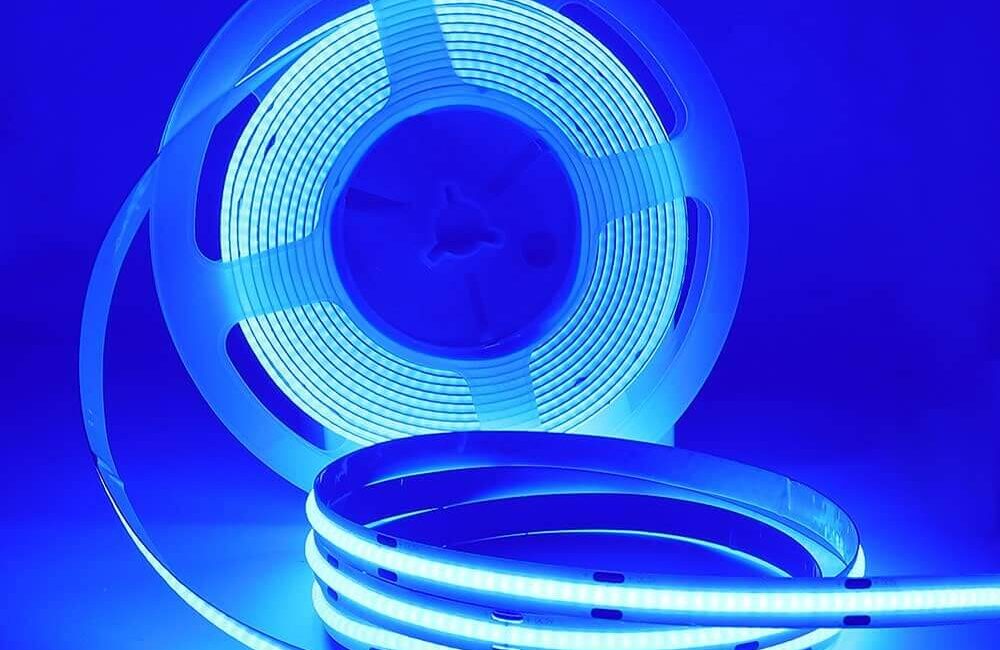
Are you ready to transform your living space with light? Welcome to “Illuminate Your Space: A Comprehensive Guide to IP20 & IP67 LED Strip Lights.” In this guide, we will explore how LED strip lights can enhance your environment, creating a warm ambiance or a vibrant setting tailored to your mood. Whether you’re looking to highlight architectural features, add flair to your home theater, or simply brighten up a dull corner, the versatility of IP20 and IP67 LED strip lights is unparalleled. With their unique ratings, you can choose the perfect option for indoor or outdoor applications, ensuring durability and style. Join us as we delve into the benefits, installation techniques, and design tips that will help you maximize the potential of these illuminating solutions. Get ready to brighten up your space like never before!
Understanding IP Ratings: What Do IP20 and IP67 Mean?
When it comes to selecting the right LED strip lights for your home, understanding IP ratings is essential. IP, or Ingress Protection, ratings indicate how well a product is protected against solid objects and liquids. The two-digit number following the IP acronym provides detailed insight into these protective features. The first digit represents protection against solids, ranging from 0 to 6, while the second digit indicates protection against liquids, ranging from 0 to 8. This classification system helps you make informed decisions tailored to your needs.
IP20 LED strip lights have a rating where “2” signifies protection against objects larger than 12.5mm, such as fingers or tools, and “0” indicates no protection against water. These lights are ideal for indoor applications where contact with water is not a concern. IP67 LED strip lights, on the other hand, offer complete protection against dust and can withstand immersion in water up to 1 meter for 30 minutes. This makes them suitable for outdoor areas and moisture-prone indoor spaces like kitchens or bathrooms.
Understanding IP ratings helps ensure that your lighting choice matches the environment in which it will be used. While both IP20 and IP67 lights serve different purposes, their distinct protection levels guarantee safety, performance, and durability.
Key Differences Between IP20 and IP67 LED Strip Lights
The main differences between IP20 and IP67 LED strip lights lie in their protection levels and intended environments. IP20 lights are designed for dry, indoor use with minimal dust and no moisture exposure, while IP67 lights are made for rugged conditions, offering full dust resistance and water protection.
In terms of construction, IP20 strips typically feature an exposed design with visible LED chips and circuitry, allowing for better heat dissipation and cost efficiency. However, the lack of waterproofing limits them to dry spaces. In contrast, IP67 strips are encased in a protective silicone or epoxy coating, shielding them from dust and water. While this can slightly diffuse brightness, it ensures the lights remain functional and long-lasting in challenging environments.
Choosing between them depends on your specific needs—whether it’s indoor accent lighting or outdoor resilience, both provide exceptional illumination and performance when used appropriately.
Benefits of Using LED Strip Lights in Your Home
LED strip lights bring numerous benefits that can transform any living area. They are energy-efficient, consuming far less power than traditional lighting options, and help lower electricity bills while reducing environmental impact.
Their flexibility allows installation in countless ways—under cabinets, along ceilings, behind TVs, or highlighting decorative features. Available in various colors and color temperatures, LED strip lights can create anything from a cozy, warm glow to a vibrant, modern vibe.
Additionally, LED strips are durable and long-lasting, with lifespans exceeding 50,000 hours. They require little maintenance and are resistant to vibration, making them suitable for both residential and commercial applications.
Ideal Applications for IP20 LED Strip Lights
IP20 LED strip lights are perfect for indoor spaces where moisture is minimal. They’re great for accent lighting in living rooms, bedrooms, and dining areas—creating inviting, warm atmospheres. You can install them under shelves, cabinets, or behind furniture for soft background illumination.
They also work well in entertainment zones and home theaters, enhancing visual appeal and creating a cinematic glow behind screens or along walls. Additionally, IP20 strips make excellent task lighting in offices or workshops, offering precise and clear illumination for detailed activities.
Ideal Applications for IP67 LED Strip Lights
IP67 LED strip lights are built to perform in environments exposed to water and dust. They are perfect for outdoor landscaping, garden pathways, patios, and architectural accents. Their waterproof nature ensures reliable performance even in rain or humidity.
Indoors, they are excellent for kitchens, bathrooms, and basements—anywhere moisture or dust might affect regular lights. They can be used around mirrors, under counters, or along stair edges for both style and safety.
In industrial or workshop settings, IP67 LED strips provide durable lighting that withstands dust and debris, ensuring visibility and safety.
Installation Tips for LED Strip Lights
Planning is key. Measure your installation area and determine the right strip length. LED strips can be cut at marked intervals for a custom fit. Clean the mounting surface thoroughly to ensure proper adhesion, especially if using the peel-and-stick backing.
Use suitable connectors for corners or longer runs, and select a power supply that matches the strip’s voltage and wattage. For multiple strips, use amplifiers or splitters to distribute power evenly. Always follow safety guidelines to avoid electrical issues.
Maintenance and Care for Your LED Strip Lights
Keeping your LED strip lights clean and properly connected ensures optimal performance. Dust the strips regularly with a soft cloth, and check all connections for signs of wear or looseness. Replace damaged power supplies promptly.
Avoid prolonged exposure to extreme heat or direct sunlight, which can weaken adhesive and degrade LEDs. With routine maintenance, your LED strip lights will remain bright, efficient, and reliable for years.
Choosing the Right LED Strip Lights for Your Needs
Selecting the perfect LED strip lights depends on your goals. Identify whether you need ambient, task, or accent lighting. Then, choose between IP20 for dry indoor use or IP67 for outdoor and wet environments.
Consider brightness (measured in lumens), color temperature (from warm to cool white), and strip flexibility. Measure your space carefully to ensure a seamless installation. The right combination of protection, brightness, and color can completely transform your home’s atmosphere.
Conclusion: Enhancing Your Space with IP20 & IP67 LED Strip Lights
LED strip lights provide a stylish, energy-efficient, and customizable way to enhance any environment. Understanding the difference between IP20 and IP67 ratings allows you to choose the ideal lighting for your space—whether you need indoor sophistication or outdoor durability.
With proper installation, maintenance, and thoughtful design, you can create the perfect balance of beauty and functionality. Embrace the power of IP20 & IP67 LED strip lights to illuminate your surroundings and bring your creative vision to life.