
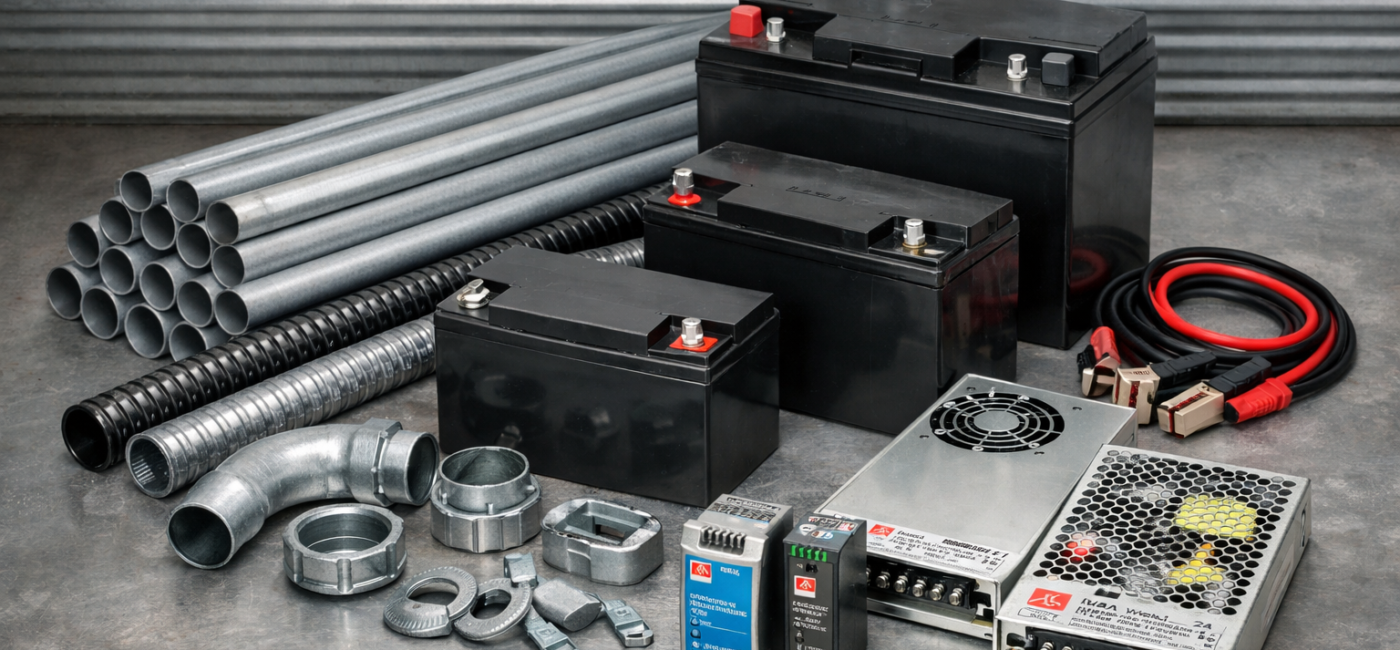
Overview of EMT and GI Conduits
Electrical Metallic Tubing (EMT) and Galvanized Iron (GI) conduits are integral components of electrical infrastructure, providing pathways for wiring and protecting cables from external damage. EMT is typically made from coated steel and is known for its light weight, easy installation, and flexibility. GI conduits, on the other hand, are manufactured from galvanized iron or steel, which provides robust protection against corrosion and physical damage, making them ideal for more demanding environments.
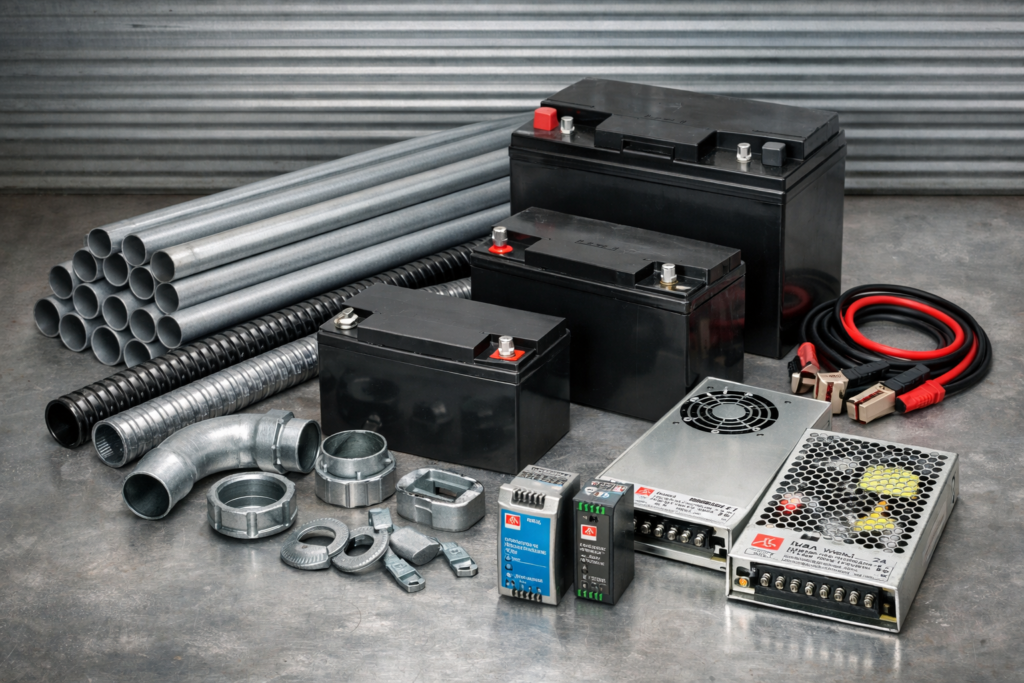
In Qatar, the choice between EMT and GI conduits often depends on specific application requirements, environmental conditions, and regulatory standards. The rapid development in Qatar, has significantly increased the demand for reliable and efficient electrical systems. These conduits are essential in ensuring the safety and durability of electrical installations, especially in commercial and industrial settings.
The use of EMT and GI conduits in Qatar is governed by stringent safety standards and regulations, which mandate proper installation practices to prevent electrical hazards. These standards ensure that electrical systems can withstand the harsh climatic conditions of the region, including high temperatures and humidity. As Qatar continues to expand its infrastructure, the role of EMT and GI conduits in maintaining electrical integrity will become even more critical.
Key Features of EMT and GI Conduits
EMT conduits are praised for their lightweight construction, which simplifies transportation and installation. The thin-walled design of EMT makes it easier to bend and manipulate, allowing for more flexible routing of electrical wires. This feature is particularly beneficial in projects with complex wiring requirements or in retrofit applications where space constraints are a concern. Additionally, EMT conduits are coated with protective layers that enhance their resistance to corrosion, further extending their lifespan.
GI conduits, however, are recognized for their superior strength and durability. The galvanization process involves coating iron or steel with a layer of zinc, which provides excellent protection against rust and corrosion. This makes GI conduits highly suitable for outdoor installations and in environments where exposure to moisture or chemicals is a concern. The robustness of GI conduits ensures that they can withstand physical impacts and mechanical stresses, making them ideal for industrial applications.
Both EMT and GI conduits offer distinct advantages, and the choice between them often hinges on specific project requirements. For instance, EMT conduits may be preferred in scenarios where ease of installation and flexibility are paramount, while GI conduits might be chosen for their ruggedness and ability to endure harsh conditions. Understanding the key features of each type of conduit can help electrical professionals make informed decisions that enhance the safety and efficiency of their installations.
Applications of EMT and GI Conduits in Qatar
In Qatar, the applications of EMT and GI conduits span a wide range of sectors, reflecting the country’s diverse and rapidly growing infrastructure. EMT conduits are commonly used in residential and commercial buildings, where their ease of installation and adaptability to various wiring configurations are highly valued. These conduits facilitate the routing of electrical cables through walls, ceilings, and floors, ensuring that wiring remains protected and organized.
GI conduits are frequently employed in industrial settings and outdoor installations, where their strength and corrosion resistance are crucial. The robust construction of GI conduits makes them suitable for heavy-duty applications, such as in factories, refineries, and power plants. Additionally, GI conduits are often used in public infrastructure projects, including roadways, bridges, and tunnels, where long-term durability and reliability are essential.
Qatar’s ambitious infrastructure projects, driven by Vision 2030, have further amplified the significance of EMT and GI conduits. These conduits play a vital role in ensuring the seamless operation of electrical systems across various developments, from stadiums and hotels to transportation networks and commercial complexes. As Qatar continues to advance its infrastructure, the applications of EMT and GI conduits will remain integral to the country’s growth and modernization efforts.
Understanding Lead Acid Batteries
Lead acid batteries are a staple in the world of energy storage, known for their reliability, cost-effectiveness, and versatility. These batteries consist of lead dioxide and sponge lead plates immersed in a sulfuric acid electrolyte, which facilitates the electrochemical reactions necessary for energy storage and release. Lead acid batteries come in various forms, including flooded, sealed, and gel types, each offering specific advantages based on application requirements.
The fundamental principle behind lead acid batteries involves the conversion of chemical energy into electrical energy through oxidation-reduction reactions. During discharge, lead dioxide reacts with sulfuric acid to produce lead sulfate and water, releasing electrical energy in the process. Conversely, during charging, the reaction is reversed, regenerating the lead dioxide and sponge lead plates and restoring the battery’s energy capacity.
Lead acid batteries have been utilized in a wide array of applications, ranging from automotive and marine to renewable energy systems and backup power solutions. Their ability to provide high surge currents and maintain stable voltage levels makes them particularly suitable for starting engines, powering electric vehicles, and supporting critical systems during power outages. Understanding the mechanics and applications of lead acid batteries is essential for optimizing their performance and longevity in various settings.
Advantages of Lead Acid Batteries for Electrical Systems
One of the primary advantages of lead acid batteries is their cost-effectiveness. Compared to other types of batteries, such as lithium-ion or nickel-cadmium, lead acid batteries offer a lower upfront cost, making them an attractive option for applications where budget constraints are a concern. Additionally, the widespread availability of lead acid batteries and their components further contributes to their affordability and ease of maintenance.
Lead acid batteries are also renowned for their reliability and durability. With proper care and maintenance, these batteries can provide consistent performance over extended periods, even in challenging environments. Their robust construction and ability to withstand fluctuations in temperature and humidity make them suitable for use in Qatar’s harsh climatic conditions. This reliability is crucial for applications that require uninterrupted power supply, such as emergency backup systems and telecommunications infrastructure.
Another key advantage of lead acid batteries is their capacity to deliver high surge currents. This characteristic is particularly beneficial for applications that demand rapid energy discharge, such as starting engines and powering equipment with high initial power requirements. The ability of lead acid batteries to maintain stable voltage levels during discharge further enhances their suitability for critical electrical systems, ensuring that connected devices operate smoothly and efficiently.
Meanwell Power Supplies: An Overview
Meanwell power supplies are a cornerstone in the realm of electrical power conversion, known for their high quality, reliability, and versatility. Founded in 1982, Meanwell has established itself as a leading manufacturer of switching power supplies, offering a comprehensive range of products that cater to various industries and applications. These power supplies are designed to convert electrical energy from one form to another, ensuring that devices receive the correct voltage and current levels for optimal operation.
Meanwell power supplies come in various configurations, including AC-DC, DC-DC, and LED drivers, each tailored to specific application requirements. AC-DC power supplies convert alternating current (AC) from the mains into direct current (DC) needed by electronic devices, while DC-DC converters adjust the voltage levels within DC circuits. LED drivers, on the other hand, provide the necessary power and control for LED lighting systems, ensuring efficient and stable illumination.
The reputation of Meanwell power supplies is built on their robust design, high efficiency, and adherence to international safety standards. These power supplies are equipped with various protection mechanisms, such as overvoltage, overload, and short-circuit protection, which safeguard connected devices and enhance overall system reliability. As Qatar continues to develop its electrical infrastructure, the role of Meanwell power supplies in ensuring efficient and reliable power conversion becomes increasingly significant.
Choosing the Right Meanwell Power Supply for Your Needs
Selecting the appropriate Meanwell power supply for a given application involves considering several factors, including power requirements, environmental conditions, and regulatory standards. The first step is to determine the power specifications of the connected devices, such as voltage, current, and wattage levels. This information is crucial for choosing a power supply that can deliver sufficient energy without overloading or underperforming.
Environmental conditions also play a vital role in the selection process. For instance, power supplies used in outdoor or industrial settings must be able to withstand harsh conditions, such as high temperatures, humidity, and exposure to dust and chemicals. Meanwell offers power supplies with varying degrees of ingress protection (IP) ratings, which indicate their resistance to environmental factors. Selecting a power supply with an appropriate IP rating ensures reliable performance in demanding environments.
Compliance with regulatory standards is another critical consideration. Meanwell power supplies are designed to meet international safety and efficiency standards, such as UL, CE, and RoHS certifications. Ensuring that the chosen power supply adheres to these standards not only guarantees safety but also facilitates smooth integration with existing electrical systems. Consulting with electrical professionals and reviewing product specifications can aid in selecting the right Meanwell power supply that meets specific application needs and regulatory requirements.
Safety Standards and Regulations in Qatar’s Electrical Industry
The electrical industry in Qatar is governed by stringent safety standards and regulations aimed at ensuring the safe and efficient operation of electrical systems. These standards are set by various regulatory bodies, including the Qatar General Electricity and Water Corporation (Kahramaa) and the Ministry of Municipality and Environment. Compliance with these regulations is mandatory for all electrical installations, from residential buildings to large-scale industrial projects.
One of the key aspects of Qatar’s electrical safety standards is the proper installation and maintenance of electrical conduits, wiring, and equipment. This includes adhering to guidelines for selecting appropriate materials, following correct installation procedures, and conducting regular inspections to identify and rectify potential hazards. The use of certified and approved electrical components, such as EMT and GI conduits, lead acid batteries, and Meanwell power supplies, is essential for meeting these safety requirements.
Another important facet of Qatar’s electrical regulations is the emphasis on energy efficiency and sustainability. The country has set ambitious goals for reducing energy consumption and promoting the use of renewable energy sources as part of its Vision 2030 initiative. Electrical systems must be designed and implemented with these objectives in mind, incorporating energy-efficient technologies and practices that minimize environmental impact. Compliance with these standards not only ensures safety but also contributes to Qatar’s broader sustainability goals.
Conclusion and Future Trends in Electrical Systems in Qatar
As Qatar continues to advance its infrastructure and technology, the landscape of electrical systems is poised for significant evolution. The integration of smart technologies, renewable energy sources, and advanced power management solutions will play a pivotal role in shaping the future of electrical systems in the country. This transformation is driven by both global trends and local initiatives aimed at enhancing efficiency, sustainability, and resilience.
The adoption of smart grid technologies is one such trend that is expected to gain traction in Qatar. Smart grids leverage digital communication and automation to optimize the generation, distribution, and consumption of electricity. This includes the use of sensors, meters, and control systems that enable real-time monitoring and management of electrical networks. The implementation of smart grids can enhance the reliability and efficiency of Qatar’s electrical infrastructure, supporting the country’s growing energy demands.
Renewable energy integration is another key trend that will influence Qatar’s electrical systems. The country has made significant investments in solar and wind energy projects, aiming to diversify its energy mix and reduce dependence on fossil fuels. The integration of renewable energy sources into the national grid requires advanced power management solutions, including energy storage systems and grid-tied inverters. Lead acid batteries and Meanwell power supplies will continue to play a crucial role in supporting these initiatives, ensuring stable and efficient energy conversion and storage.
In conclusion, the electrical landscape of Qatar in 2026 will be characterized by innovation, sustainability, and resilience. The use of reliable components such as EMT and GI conduits, lead acid batteries, and Meanwell power supplies will remain fundamental to the development and operation of electrical systems. As the country moves towards its Vision 2030 goals, the continued focus on safety, efficiency, and environmental stewardship will drive the evolution of Qatar’s electrical infrastructure, paving the way for a brighter and more sustainable future.